
 Kayaks, Canoes, SUPs
 Wilderness Systems Spares and Parts


Wilderness Systems Pungo 120


$1,799.00
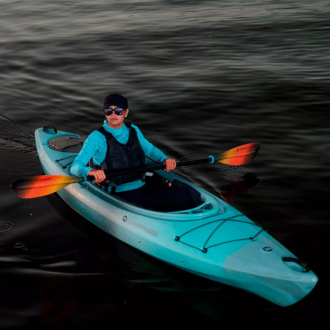
Wilderness Systems updated Pungo 120 delivers a dynamic on-water performance with superior stability, unmatched speed, premium comfort and intelligent outfitting.
The renowned Pungo hull, through rigorous engineering and testing, has reassuring stability without sacrificing performance. Best-in-class speed makes the Pungo the easiest to paddle and most efficient kayak in its class, taking you farther and faster than you ever thought you could.
Patented ergonomic Phase 3® AirPro seating system is the core of what makes Wilderness Systems the world’s most comfortable kayaks; the Pungo’s comfort and adjustability is built just for you, allowing you to be fully immersed in your on-water experience. T

Blending celebrated legacy design elements with a re-imagined modern flair, the updated Wilderness Systems Pungo delivers a dynamic on-water performance with superior stability, unmatched speed, premium comfort and intelligent outfitting.
The renowned Pungo hull, through rigorous engineering and testing, has reassuring stability without sacrificing performance. Best-in-class speed makes the Pungo the easiest to paddle and most efficient kayak in its class, taking you farther and faster than you ever thought you could.
The patented Phase 3® AirPro seating system is the core of what makes Wilderness Systems the world’s most comfortable kayaks; the Pungo’s comfort and adjustability is built just for you, allowing you to be fully immersed in your on-water experience. The Pungo also integrates the most comprehensive kayak dashboard interface for optimal customization and features. It includes the removable DryTec dry box that allows you to take your valuables with you, two cup holders for your favorite beverage, SlideTrax ™ to hold mounts for phones, fishing rods and other accessories, and two mounting platforms for customized accessorizing. A protective and replaceable skid plate, comfortable rigid carry handles, industry-leading storage capabilities, and configurable deck bungee rigging rounds out a robust list of attributes.
Specifications:
| LENGTH: 12′ 2″ / 371 CM | WIDTH: 29″ / 74 CM |
| BOAT WEIGHT: 49 LBS. / 22 KG | COCKPIT LENGTH: 57″ / 145 CM |
| COCKPIT WIDTH: 22″ / 56 CM | MAX CAPACITY: 325 LBS. / 147 KG |
People frequently ask if a Pungo can be fitted with a rudder? The Pungo can not accept a rudder; however, it was designed to not need one as much as some other boats. Contrary to popular belief, kayak rudders are intended to help kayaks go straight, not turn. A crosswind will naturally cause kayaks to turn into the wind like a weathervane. The bow “knows” where it’s going but the stern is blown downwind. A rudder on the stern compensates for this and keeps you on track without paddling harder on one side of the boat.
The Pungo has a very defined skeg (stern) which stays planted very well, even in a crosswind. This means the Pungo is less prone to weathercocking and therefore rarely benefits from a rudder. As well as a river, lake, estuary kayak with a large cockpit opening, the Pungo was not intended to be used in areas where conditions necessitate a rudder.
Turning the Pungo and even compensating for a minor crosswind is easy in the Pungo by leaning (tilting the boat not leaning your body) slightly. Although you can tilt (lean the boat) into a turn (tilt the boat so the right is lower and turn the boat to the right), it is even more effective to lean out of a turn (lean to the right and turn the boat to the left). It takes some getting used to but is very effective. Being able to lean the boat to turn is one of the features of a touring boat that is present on the Pungo but not flat-bottomed recreational boats.
Why use the word tilt rather than lean? It is best practice to “lean” the kayak using your legs rather than leaning your upper body. Leaning your upper body moves the centre of gravity and can unbalance the kayak (if you lean far enough you might even fall in- in a Wilderness Systems Pungo you have to lean a very long way though). Lifting one knee against the padding is the best way and will change the placement of the kayaks curved hull shape in the water helping the turn.
| Colour | Breeze Blue, Forest Green, Fossil Tan, Galaxy, Mango, Purple Dawn |
|---|
Brand
Wilderness Systems
Be the first to review “Wilderness Systems Pungo 120”
You must be logged in to post a review.
You may also like…


Reviews
There are no reviews yet.